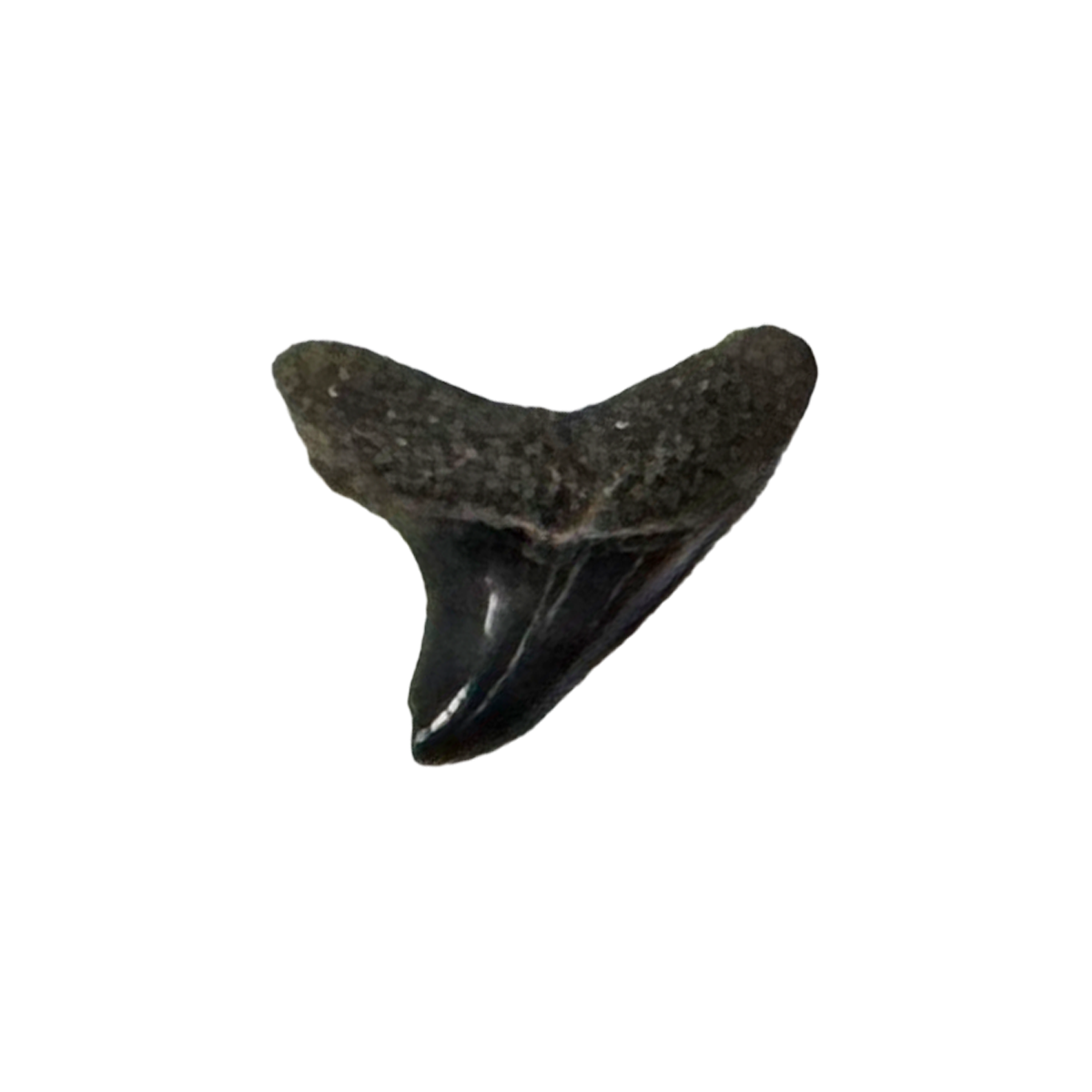
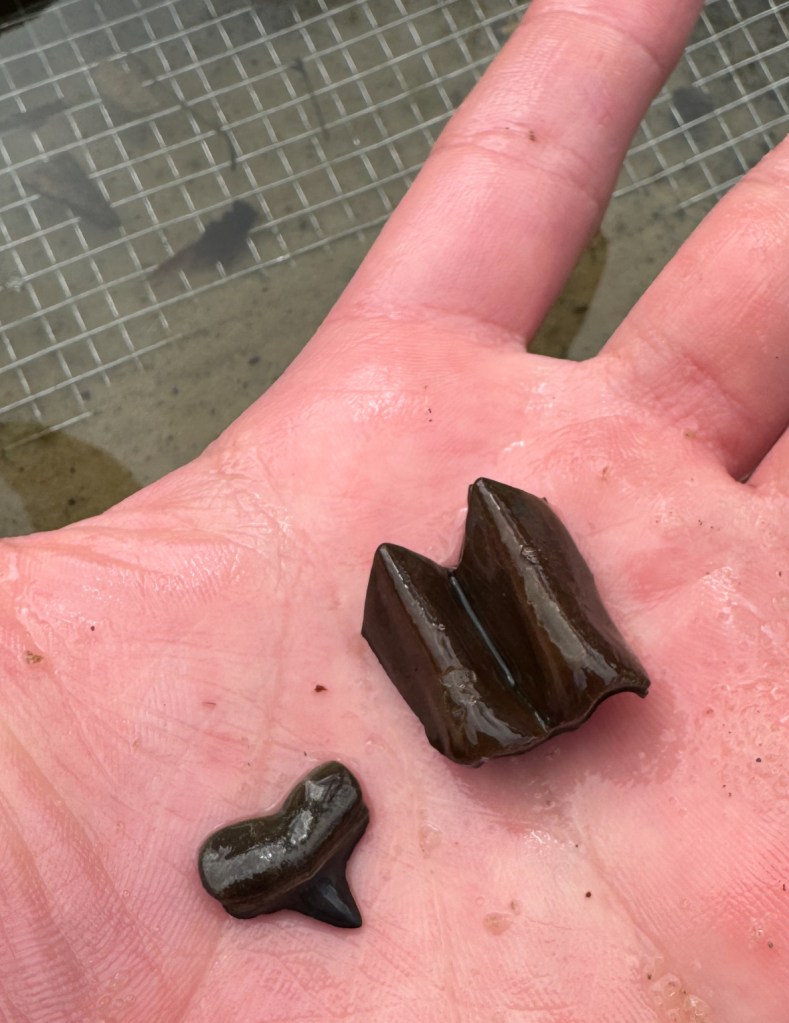
Ungulate fossils are perhaps the most common mammal fossils to be found in the Peace River and represent a wide array of species from the incredibly diverse past of the Florida Fossil record. I will break them down by order, in this case Artiodactyls and Perissodactyls. Artiodactyla have an even number of toes while Perissodactyla have an odd number.
Artiodactyla
Deer
Peccary
Perissodactyla
Horses
Teeth:
Petrosals:
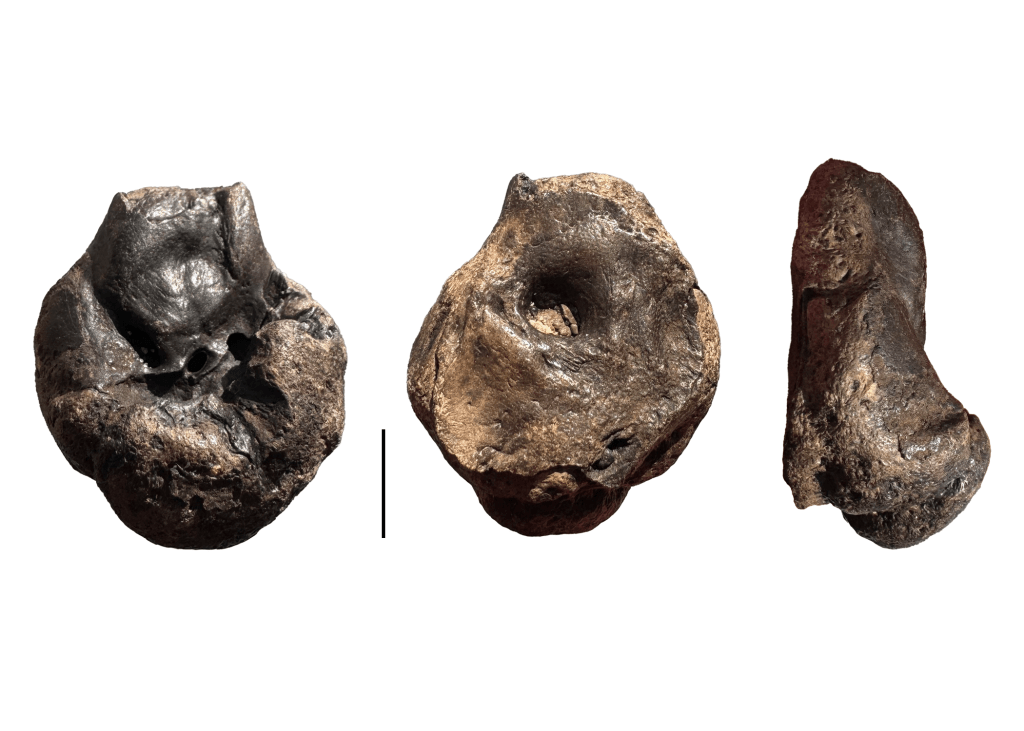
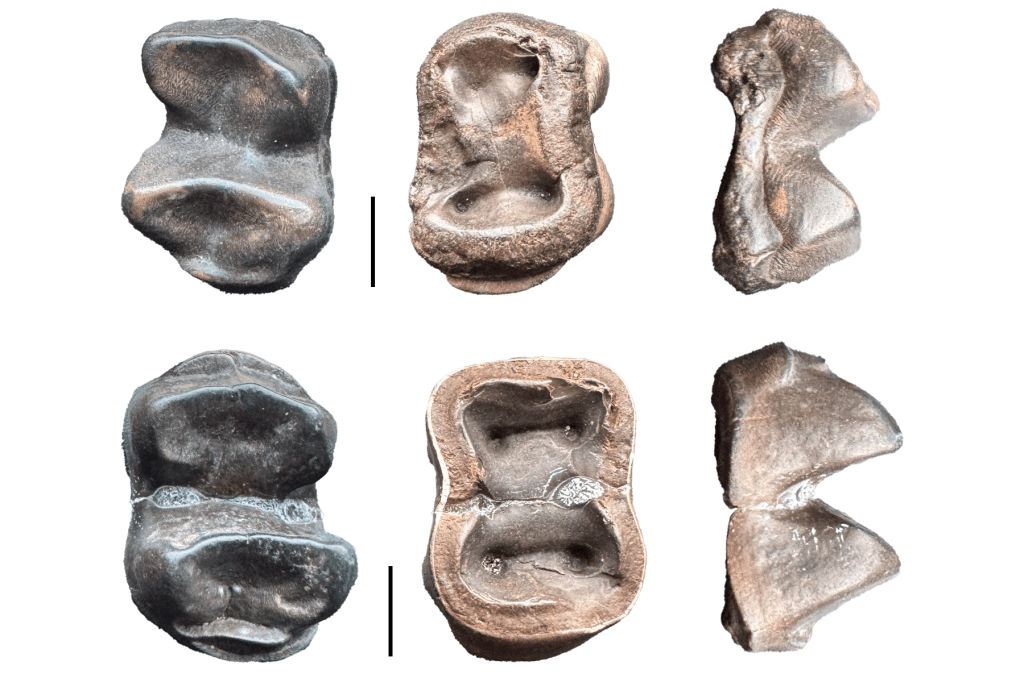
Petrosals are dense bones that house both the inner and middle ear in horses and can be found well preserved and isolated. They are bulbous with an almost ear like shape as well as multiple tunnels through (as visible in the photos). This type is unique to perissodactyl and likely useful for identifying to a family level but may not be exact for genus level identification (Goodchild et al, 2026). They are relatively large, similar in size to a porpoise ear bone at around a few wide and tall.
Tapir
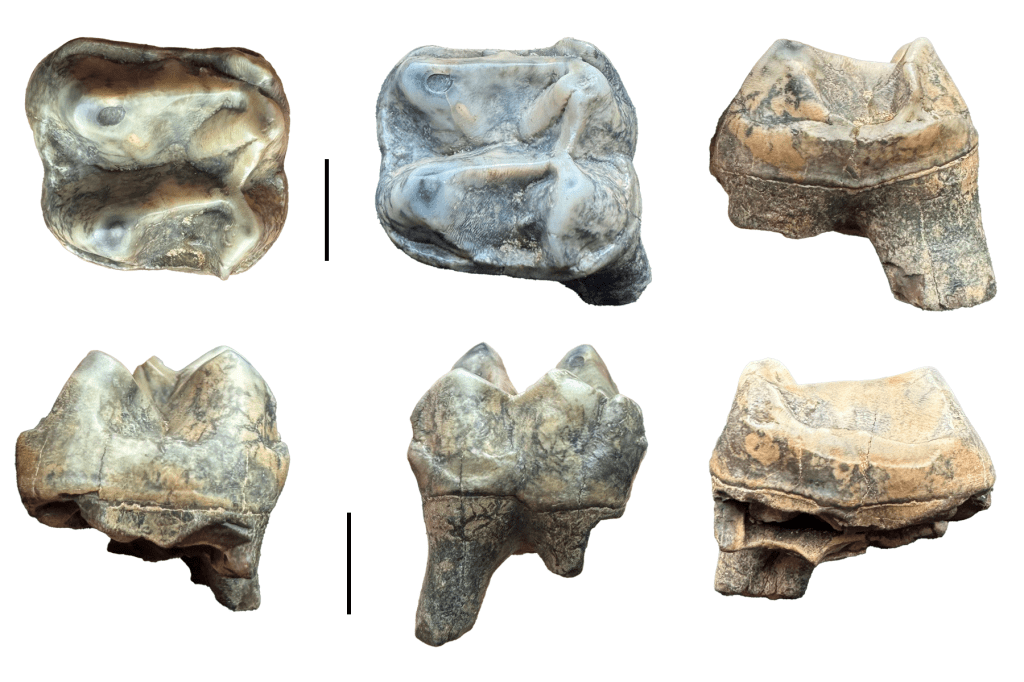
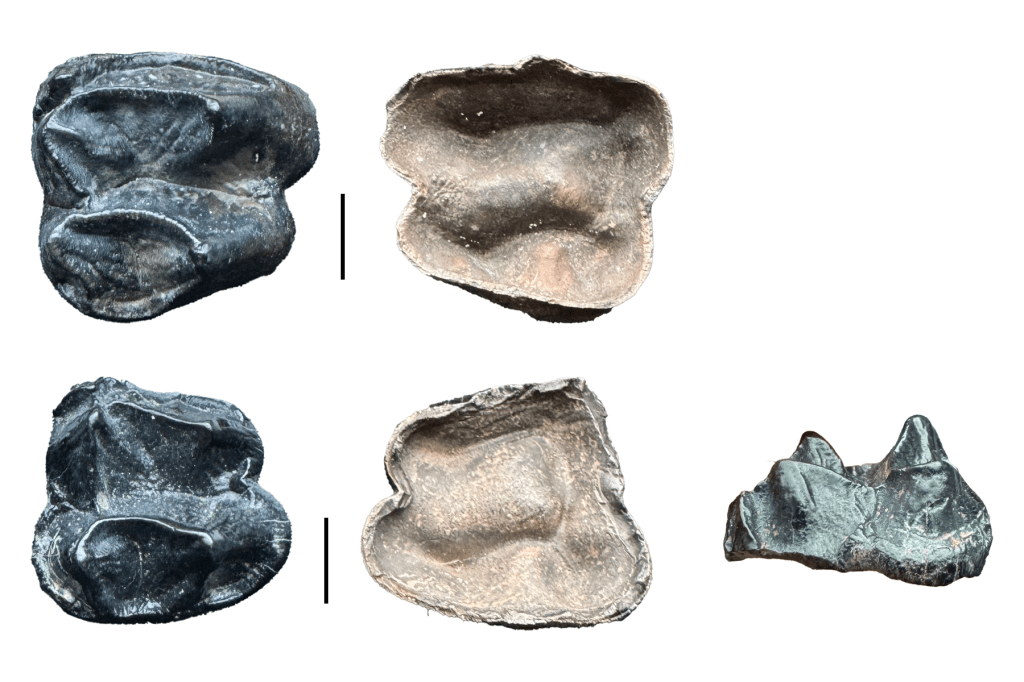
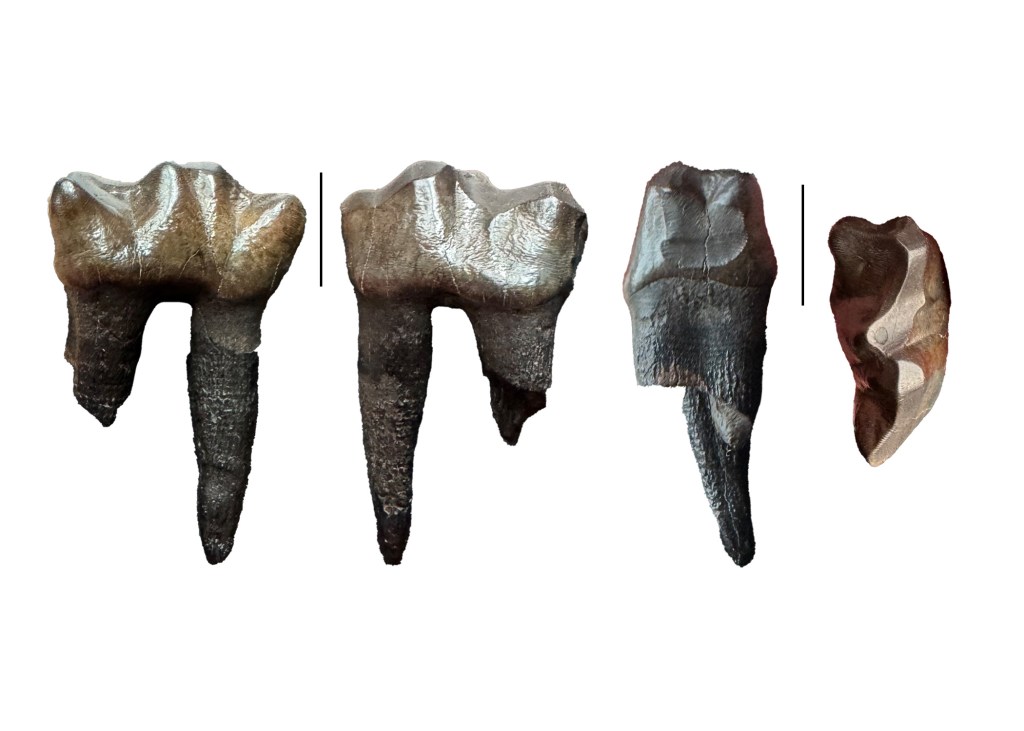
Tapir are pig-like animals that were present during the Pleistocene in Florida and went locally extinct at the end of the Pleistocene approximately 11,000 years ago. While the species present in Florida is extinct there are still 4 species around the world, in Central America, South America and Malaysia. Tapirus veroensis is the most common species found in the Peace River but there are likely multiple species. Upper jaw (maxillary) teeth are wider and closer to squares while lower jaw (mandibular) teeth are more rectangular. They had sharp canines that can be mistaken for carnivore teeth.
Citations
Goodchild, O. A., Rosen, S. N., Mennecart, B., Meng, J., & Tissier, J. (2026). The petrosal and bony labyrinth of extinct horses (Perissodactyla, Equidae) and their implications for perissodactyl evolution. PeerJ, 14, e20484. https://doi.org/10.7717/peerj.20484
