
THE peace river
In search of weird or unique finds!! Send photos on the contact page! Particularly any weird shark, ray or fish fossils!
Why the Peace River and why this website?
The Peace River carves its way through 106 miles of Florida, beginning where Peace Creek and Saddle Creek meet near Bartow down to Charlotte Harbor, dumping out into the Gulf of Mexico. It is a popular site for recreation with thousands kayakers, fishermen and fossil hunters hitting the river monthly, especially during the ideal months for fossil hunting, usually from around November to June. The river is primarily accessible to fossil hunters when the water levels are lower, this differs every year but monitoring the USGS gauges can help plan collecting trips.
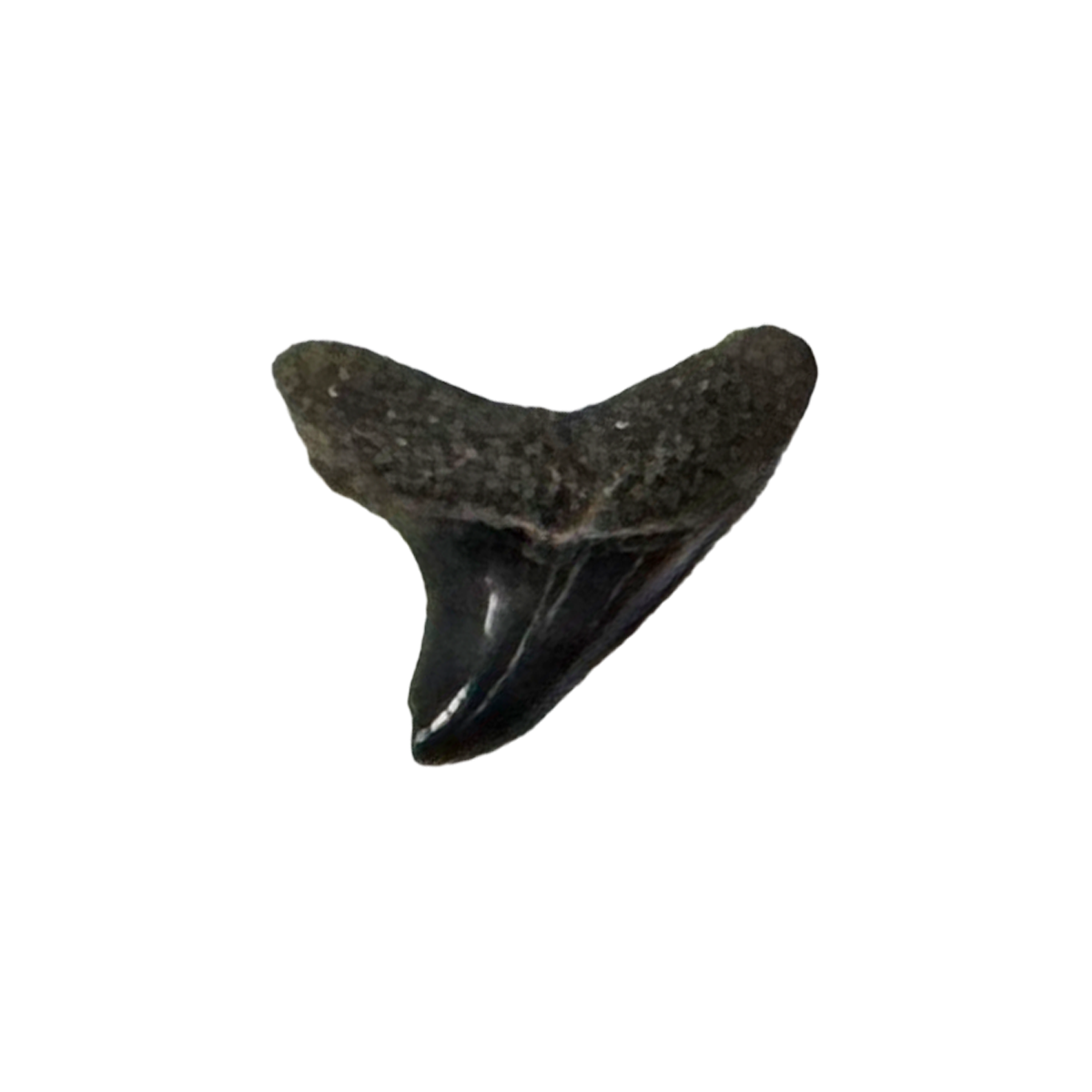
Growing up in Southwest Florida I was typically drawn to finding shark teeth around local beaches until I was first brought to the Peace River in 2015 by the Southwest Florida Fossil Society. It became an instant obsession! Since my introduction I have gone multiple times a year since then, collecting fossils almost weekly during peak conditions. The Peace River has an incredible diversity of fossils to be found by the amateur collector, from megalodon teeth and mammoth bones to microscopic fish teeth. While the same diversity is present diving off of Venice beach the teeth that get washed up on the sand are often heavily worn or destroyed by the waves. The fossils in the the Peace can be worn by the fast flow of the river but many are in good condition, allowing further identification. I have spent countless hours reading books on Florida’s fossil record and endless internet forums to identify my finds. Unfortunately I have found a lack of photo references for some fossils, leading me to create this website as a bridge for fellow amateurs to begin delving further into their finds. This site will largely feature my personal finds as well as occasional links to related publications (some of which I worked on personally) or photos of museum specimens to add context.


Geology of the area
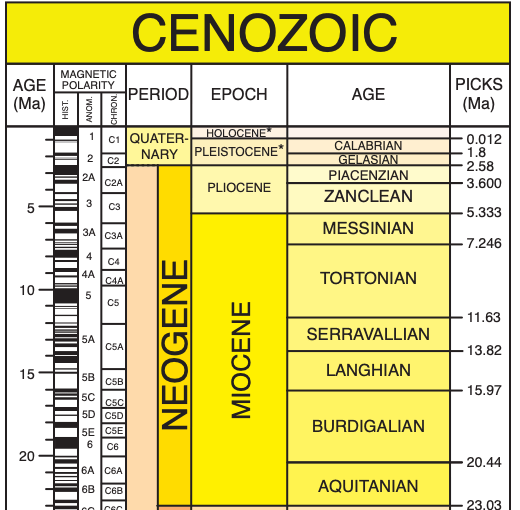
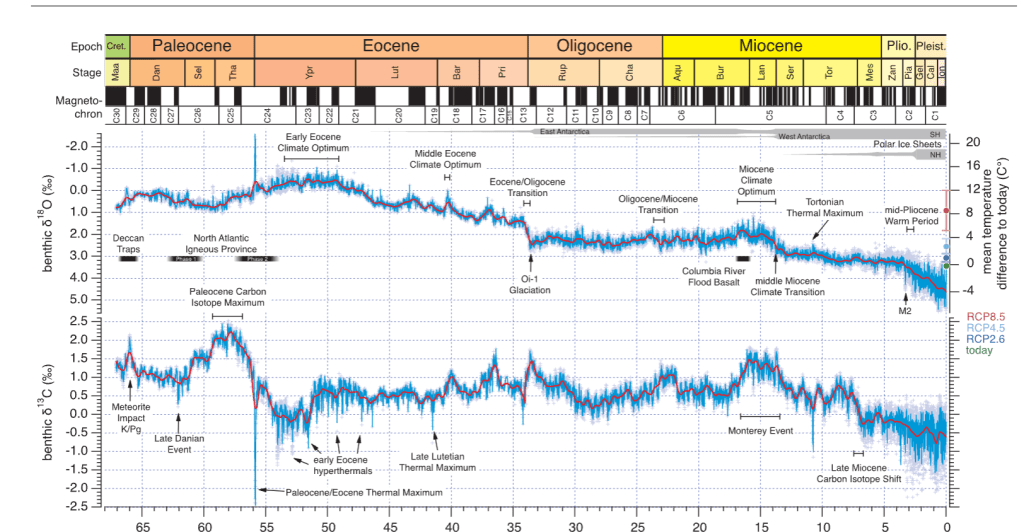
This website is focused on the Peace River and its tributaries themselves, while there is multiple mines and quarries in the area my focus will be on the direct river. There are a range of sediment types with fossils typically coming from a mix of sand and gravel that has been eroded from the formation directly. In some locations there is also a layer of blue-gray clay that comes up below the gravel bar. For those looking for fossils the ideal location is a deep gravel bar, sometimes with a thin sandy layer covering the surface. The fossils found in the Peace River are primarily late Miocene to Late Pleistocene, offering a wide range for fossils, about 11 million years to 10,000 years old. Florida has seen a large range of sea rise and fall, largely due to changing global temperatures melting or building glaciers. Much of Florida’s history was underwater which heavily reflects on the fossil record of the entire state with the most common finds in the Peace River being shark and ray fossils from the Miocene and invertebrate fossils being commonly seen at construction sites and excavations around the state.

Biodiversity
Due to the aforementioned age range of the Peace River there is a wide variety of fossils to be found! The fossil present in the Peace River represent the variety of ecosystems that have been present in the area throughout the past. Marine environments left remnant of sharks, rays, cetaceans (whales etc.) and dugong fossils behind. There are also remnants of past swamps and land animals with alligator and crocodile fossils being common alongside an incredibly diverse mammal record. Invertebrates are also abundant and diverse for those interested in researching them. There are occasionally plant fossils such as fossilized wood but they appear relatively scarce compared to the shark teeth. The identification section will cover each species as best as I am able to, though due to the sheer abundance of species there will undoubtedly be many missing spots.
Further Readings on the Peace River
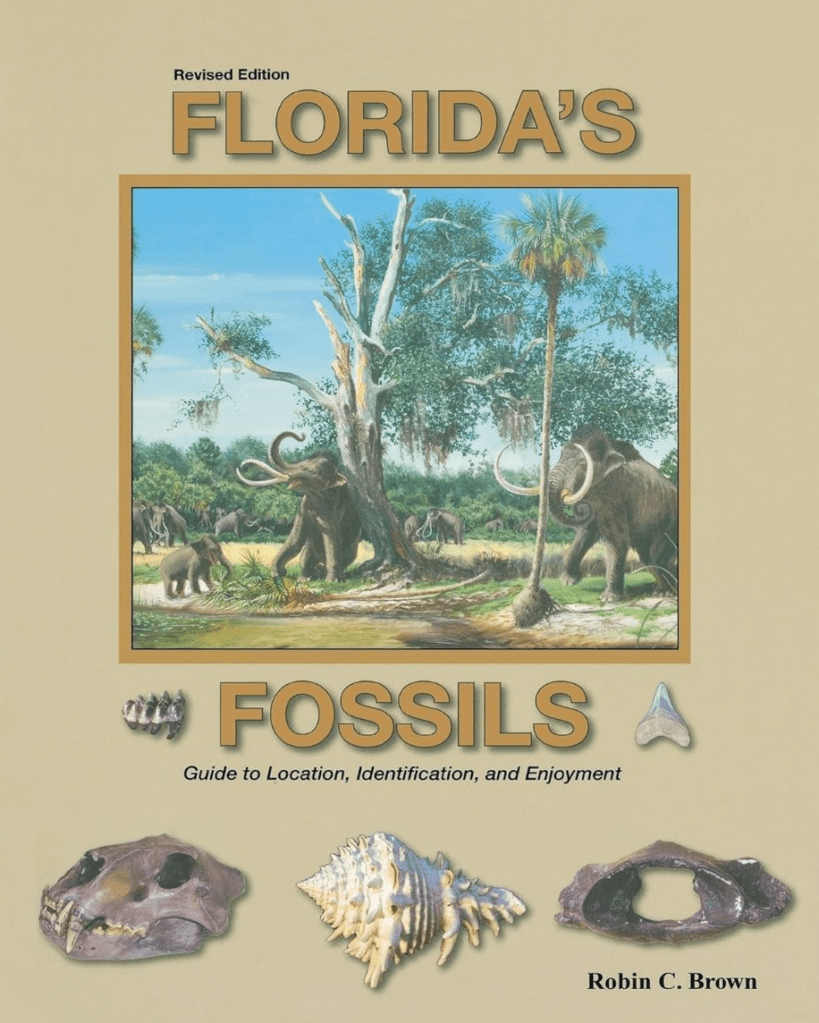
There are many great books on the fossils of Florida, though none are specifically the Peace River alone. I will add pictures of my personal favorites below, I am not affiliated with the authors but these books were incredibly helpful when I first began my journey into Florida fossils.


References/Links
GSA geologic timescale. (n.d.). https://store.geosociety.org/Bookstore/gsa/timescale/home.aspx
Impacts of climate change. Climate Science Investigations South Florida – Impacts of Climate Change. (n.d.). https://www.ces.fau.edu/nasa/impacts/i4-sea-change/exp3a-past-fl.php
Westerhold, T., Marwan, N., Drury, A. J., Liebrand, D., Agnini, C., Anagnostou, E., Barnet, J. S., Bohaty, S. M., De Vleeschouwer, D., Florindo, F., Frederichs, T., Hodell, D. A., Holbourn, A. E., Kroon, D., Lauretano, V., Littler, K., Lourens, L. J., Lyle, M., Pälike, H., … Zachos, J. C. (2020). An astronomically dated record of Earth’s climate and its predictability over the last 66 million years. Science, 369(6509), 1383–1387. https://doi.org/10.1126/science.aba6853
