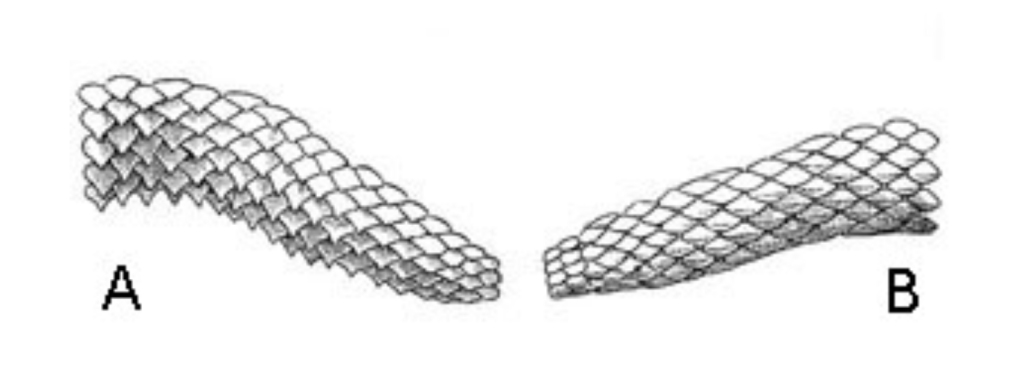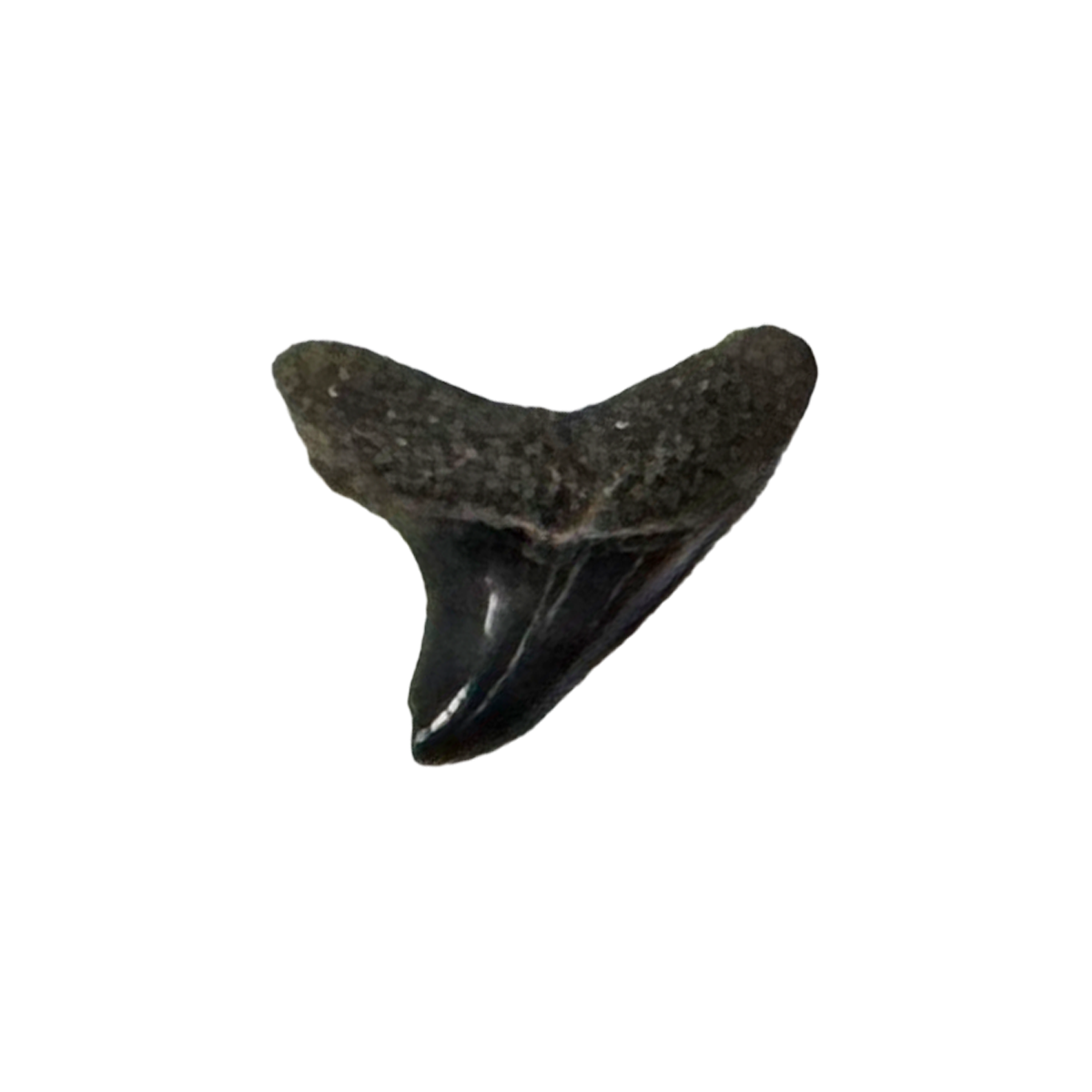

Ray fossils are one of the most common fossils found in the Peace River. The most common fossils found are isolated pieces of mouth plate and worn barbs. Besides these there are stingray dermal denticles (the bumps along the midline of a ray), connected mouth plates, and microscopic ray teeth. Included alongside regular stingrays there are manta rays, guitarfish and skates!
Mouth Plates
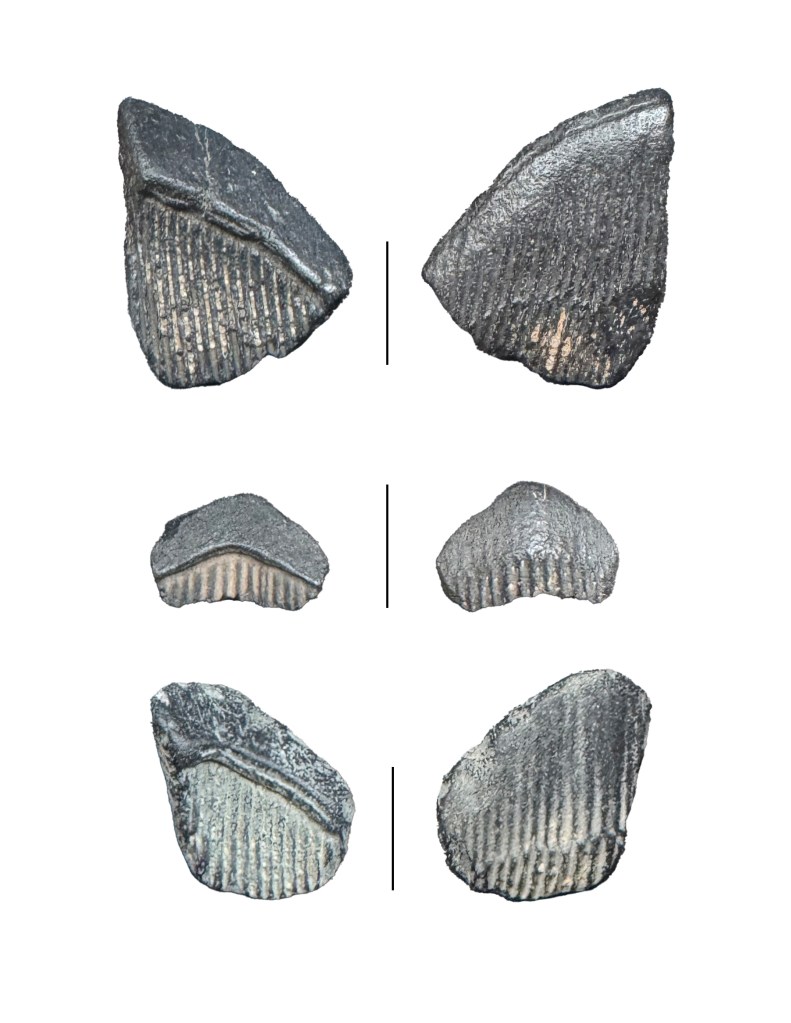
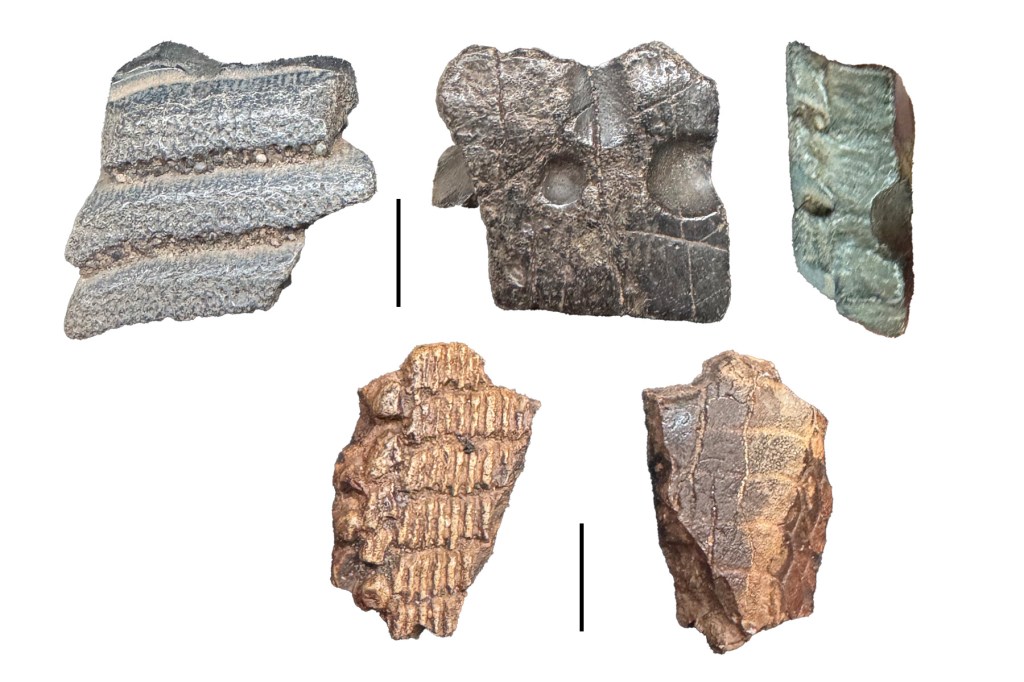
Mouth plate fragments are extremely common and are easily noticeable with the rake-like roots and the characteristic shape. These plates grind up a ray’s diet of shellfish, fish, and other invertebrates. Much less common and much more diagnostic are nearly complete mouth plates. Most rays have a jaw of bar-like rows with smaller lateral teeth that rotate out as the in use plates become worn or damaged. This leaves common fragments, while for layers to be still held together it requires the ray to die and for the jaw to not be heavily worn. Different genus of ray have different types of mouth plates as visible in the images below. Some rays have microscopic teeth that overlap to form a plate but is much too small to be found in standard sifting.


Barbs
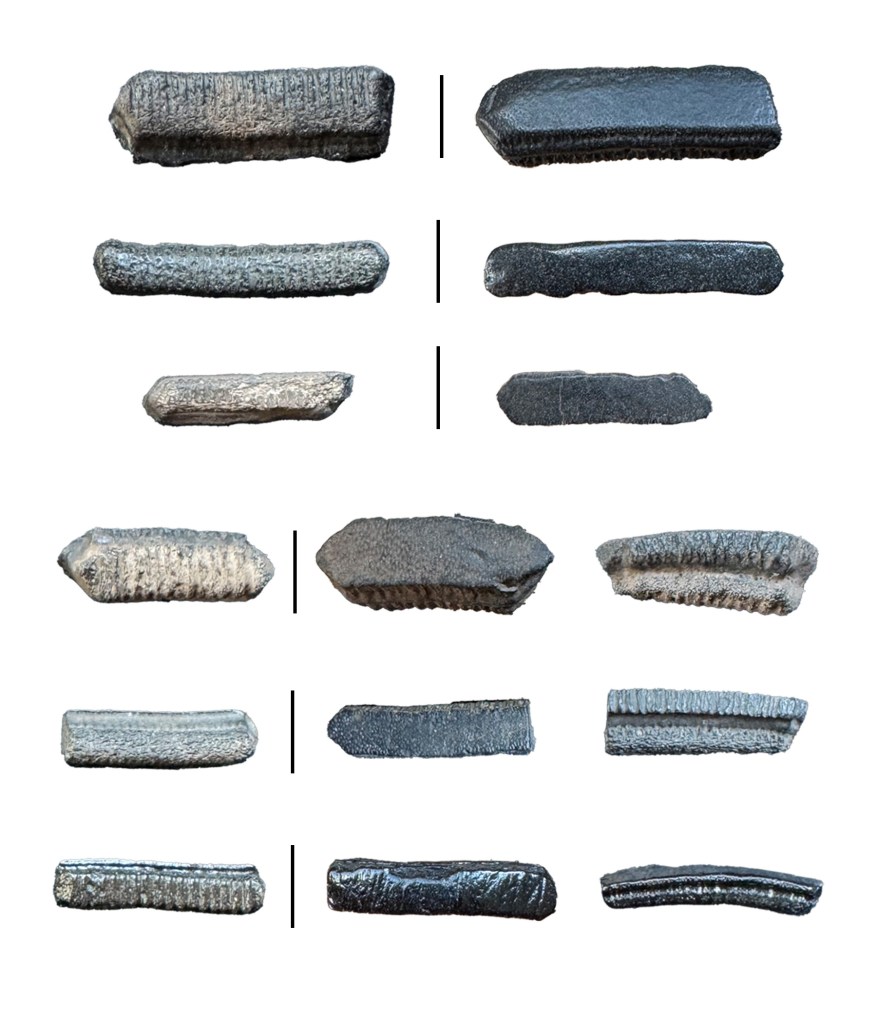
Barbs are the serrated defensive structures on the tail of a stingray. They are relatively common but usually extremely worn in the Peace River. The barbs are striated with small serrations marking the sides. I will provide some examples of extremely worn barbs and then 1 very nice example as comparison.


Dermal Denticles
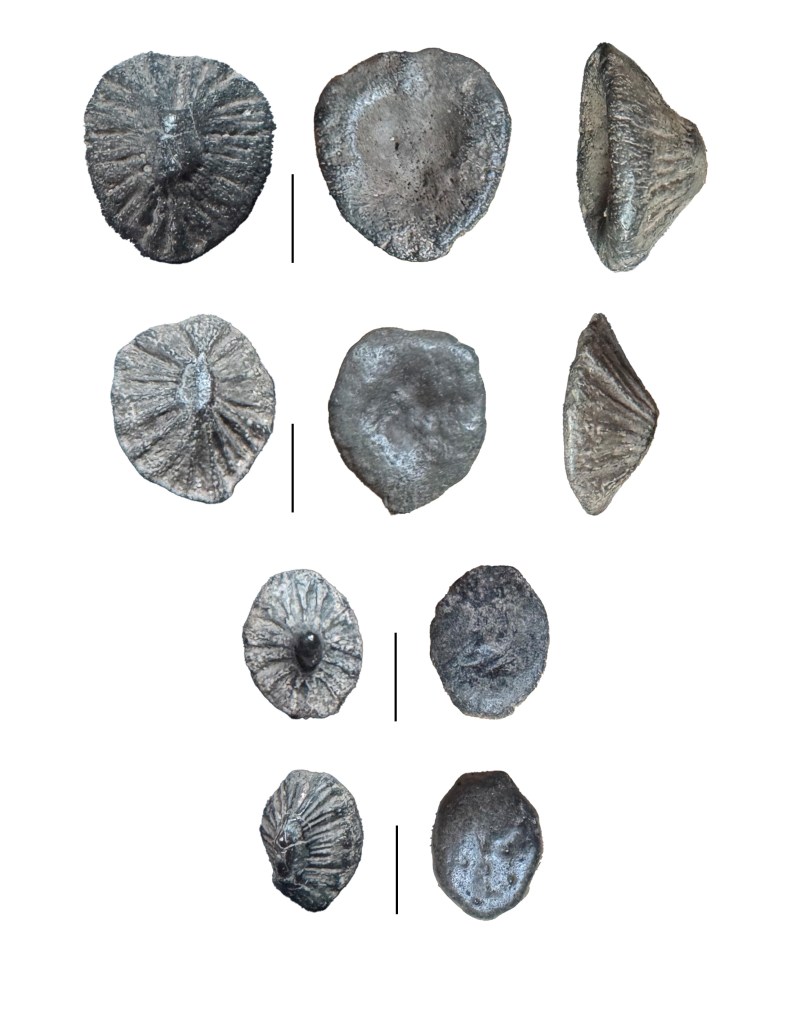
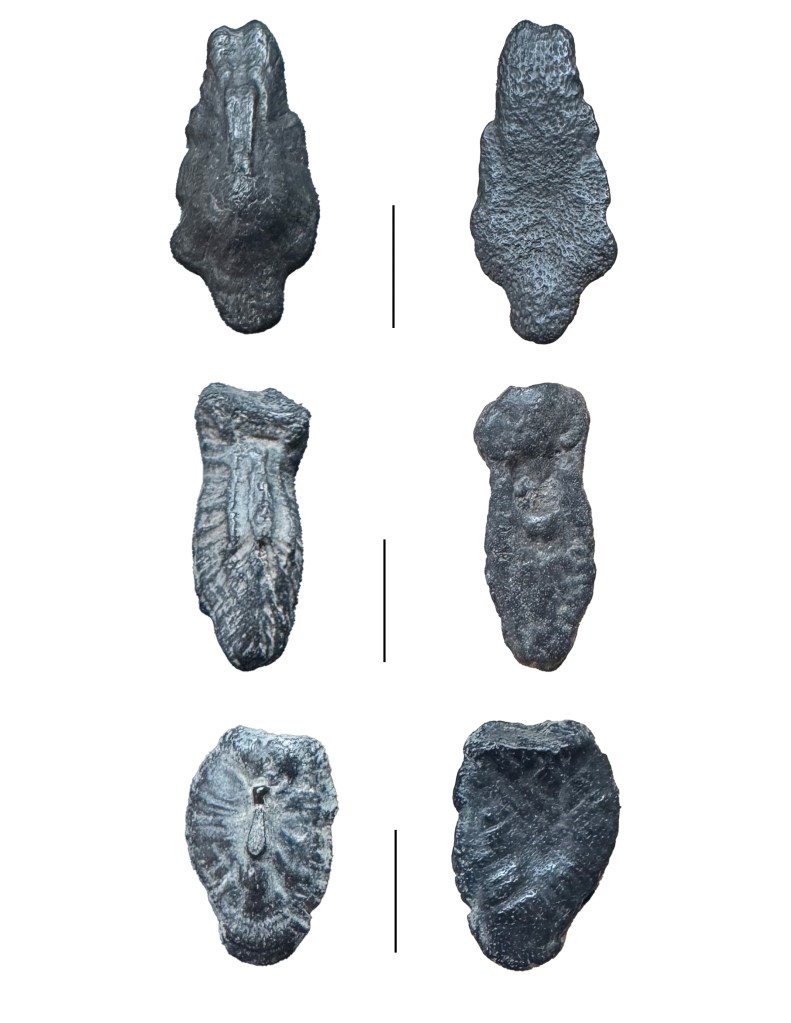
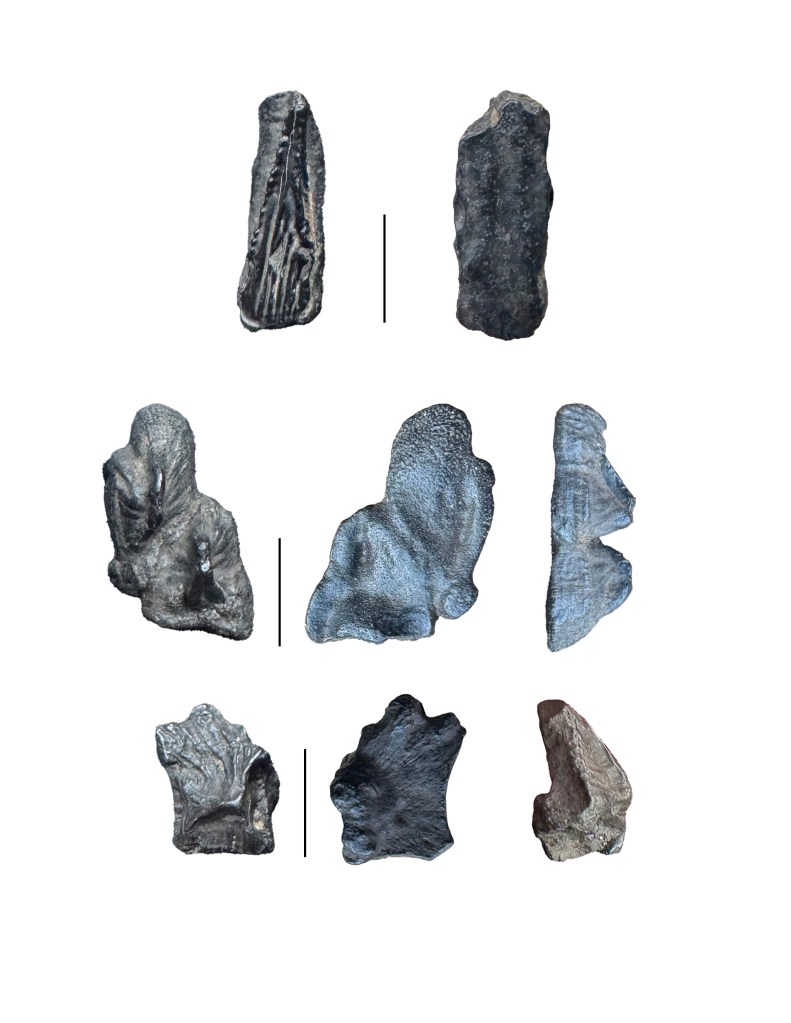
Denticles are an interesting and highly variational fossils that can be regularly found sifting the Peace. They are on the small side but still easily caught by the 1/4 inch mesh of a sifter. The major 3 types range from small circular denticles with an enamel spike in the center, a more elongated type with a narrow skinny enamel spot and a more ovular, rounded version of the elongated denticle. They can also be deformed or with more visible enamel. Some of this variation is likely species based or from skates versus rays however that difference is beyond my current knowledge. Note that these denticles are derived from the same scale history that evolved into teeth and barbs, explaining the visual similarities.
Microfossils
As mentioned some ray and skate teeth are too small to be found from normal sifting and require a micro analysis, often with microscopes or magnification. This includes numerous species that will take time and equipment for me to properly find and photograph for this site but will happen in time. The most common of the microfossils is likely Hypanus sp. the Southern Stingray.